 Birds cross the open sky above the Bay.
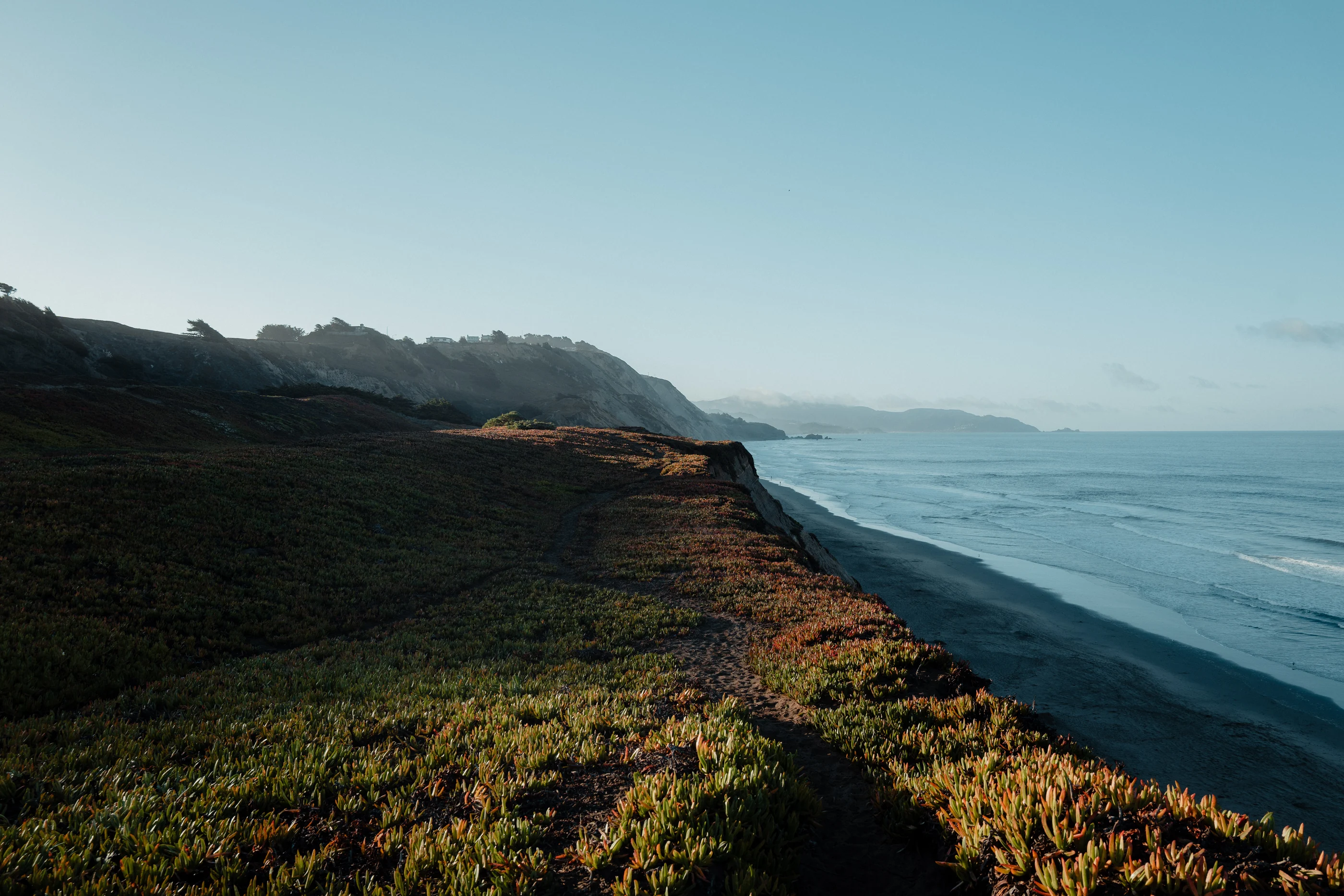
San Francisco's modest scale becomes clear through ordinary distances. A morning can begin at Thornton State Beach, where Pacific waves move below steep coastal bluffs. Walkers follow the edge; early anglers wait by the water. On another day, at Palo Alto Baylands, tidal wetlands and birds hold their own open space while people pass quietly along the paths. Both places belong to the wider Bay Area rather than the city itself, yet they are close enough to become part of everyday life.
On a clear day, California sunlight settles across house fronts, steep streets and water, bright enough to make a longer walk feel natural. San Francisco has its pressures, but art, culture, neighbourhood life and open landscapes meet within a compact reach. Comfort here does not mean the absence of complexity; it means finding a personal rhythm within it.
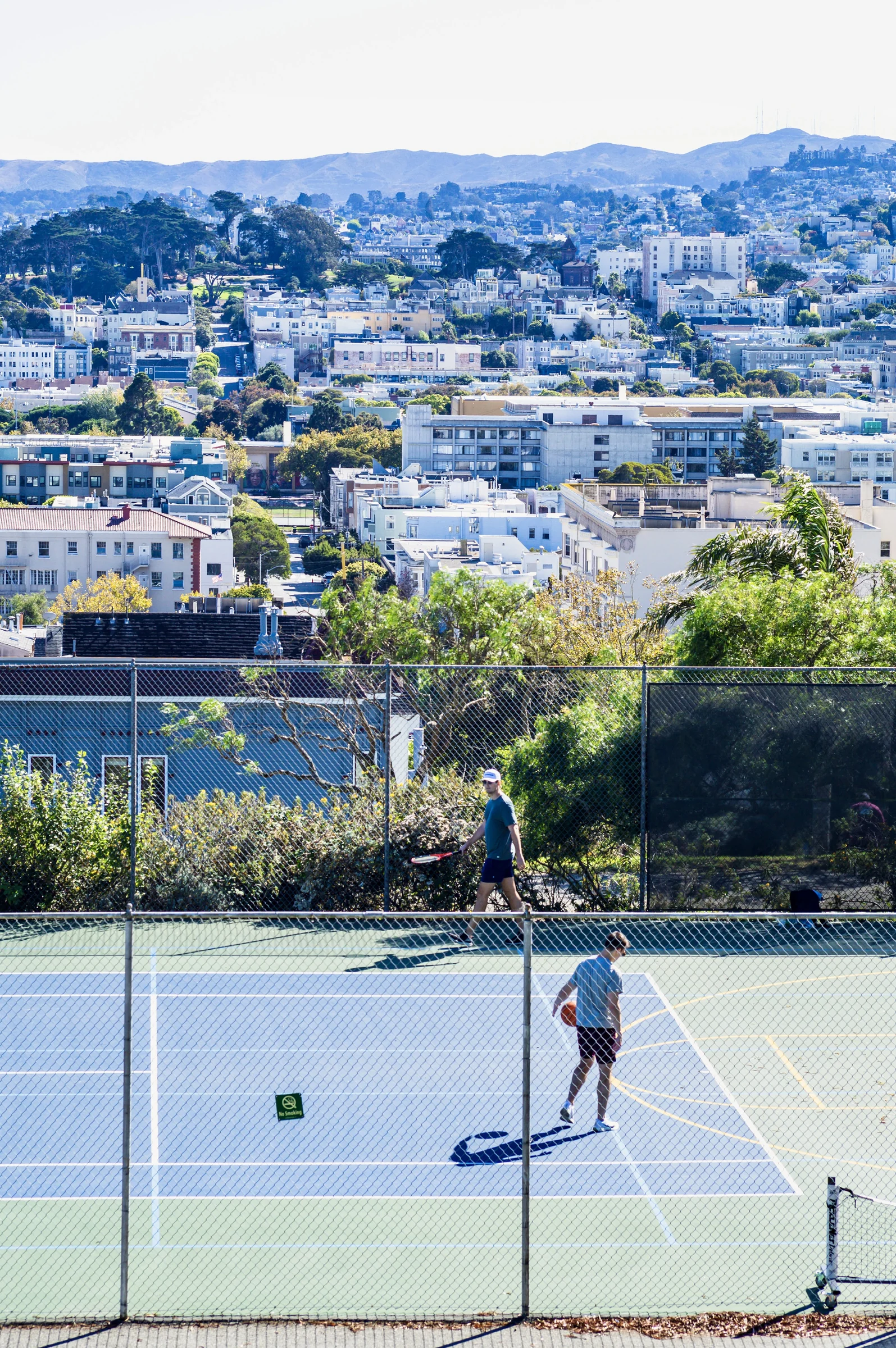
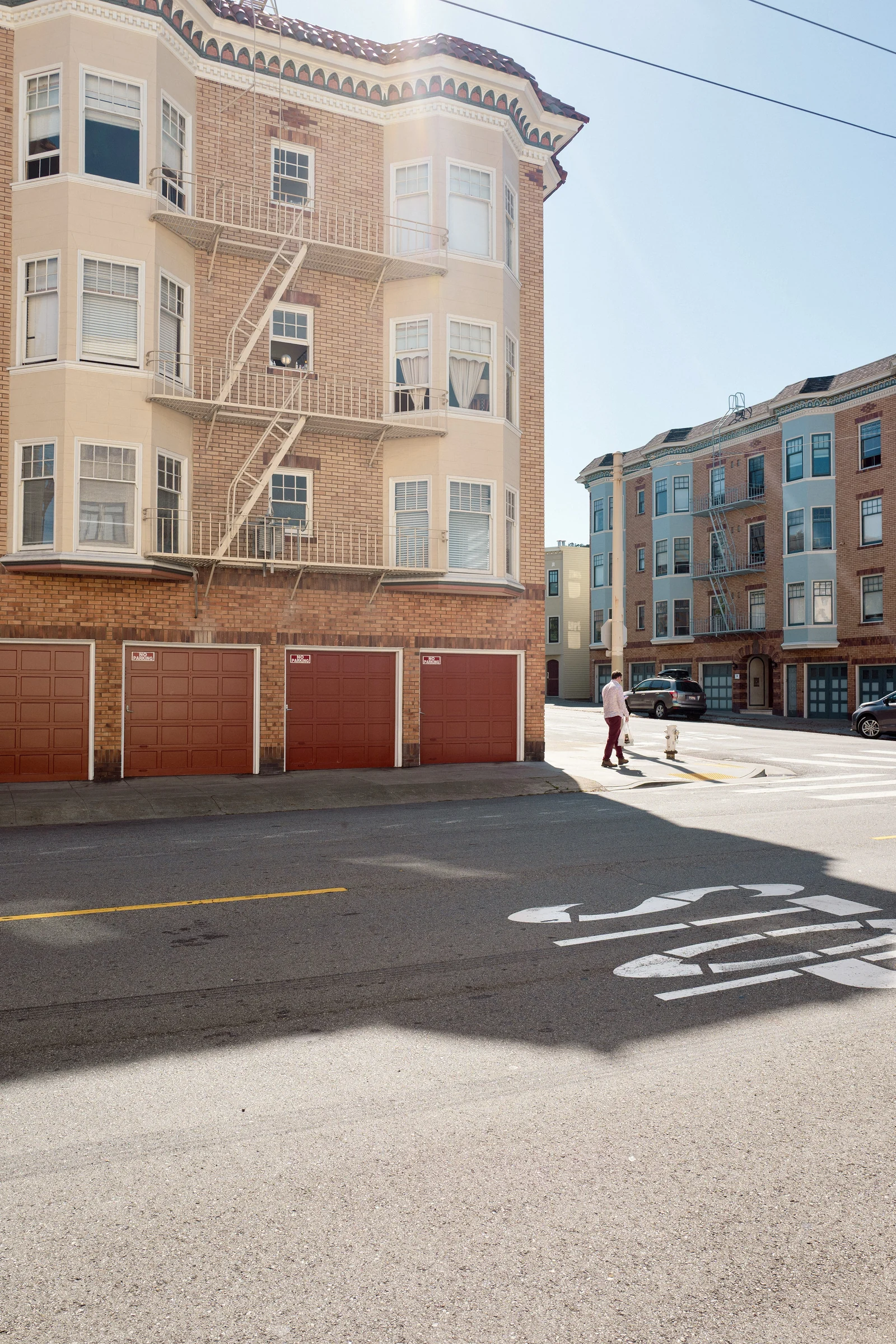
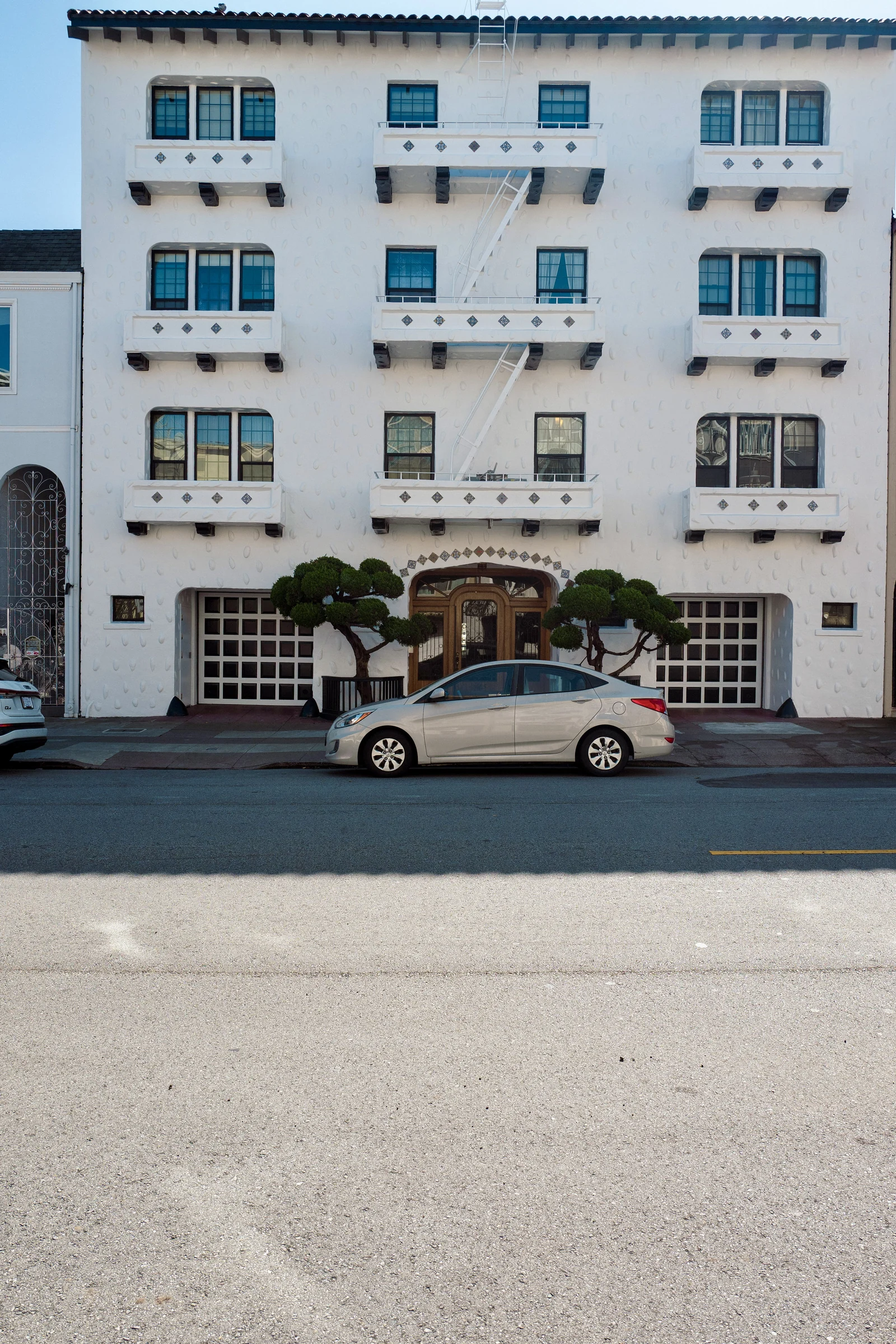
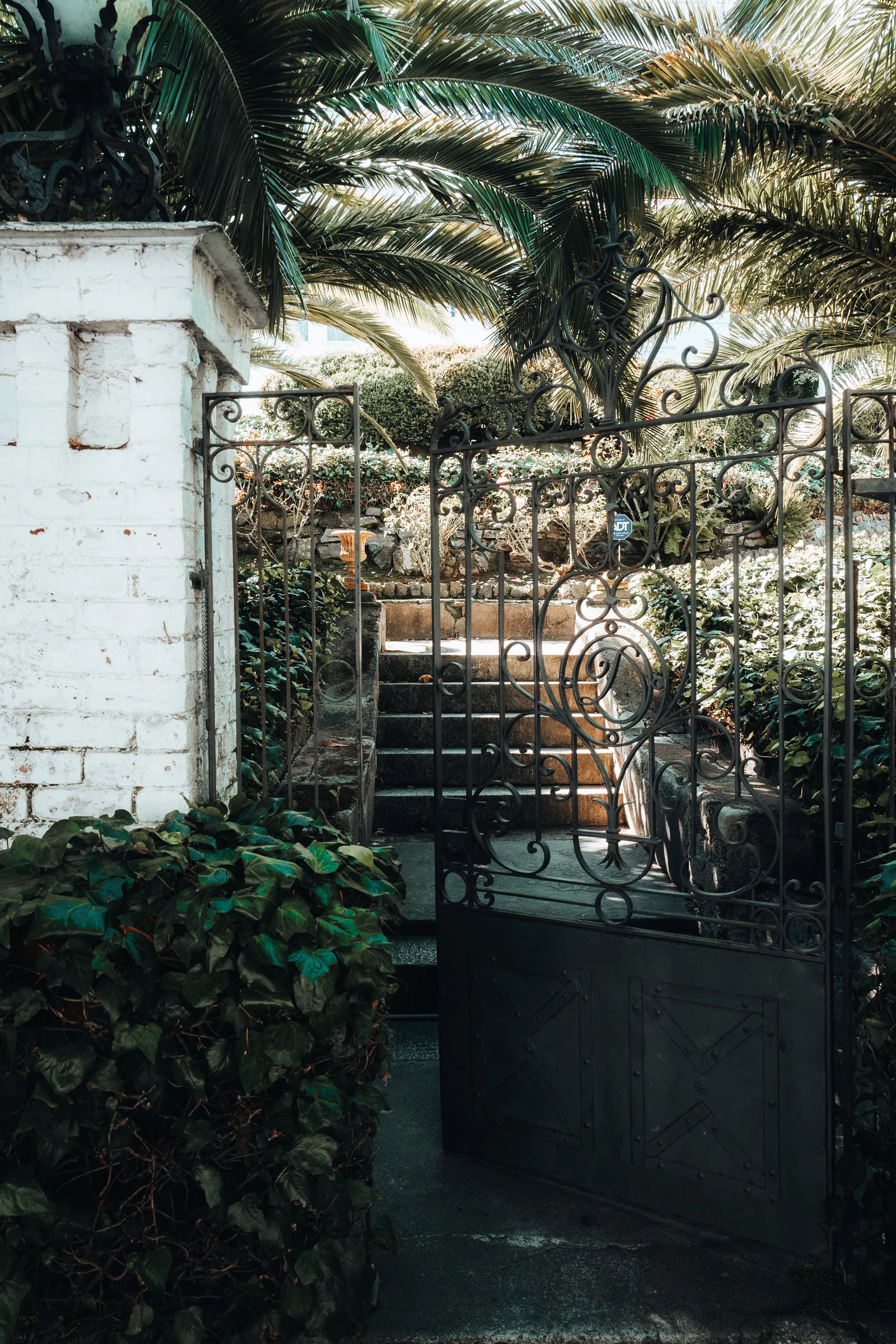
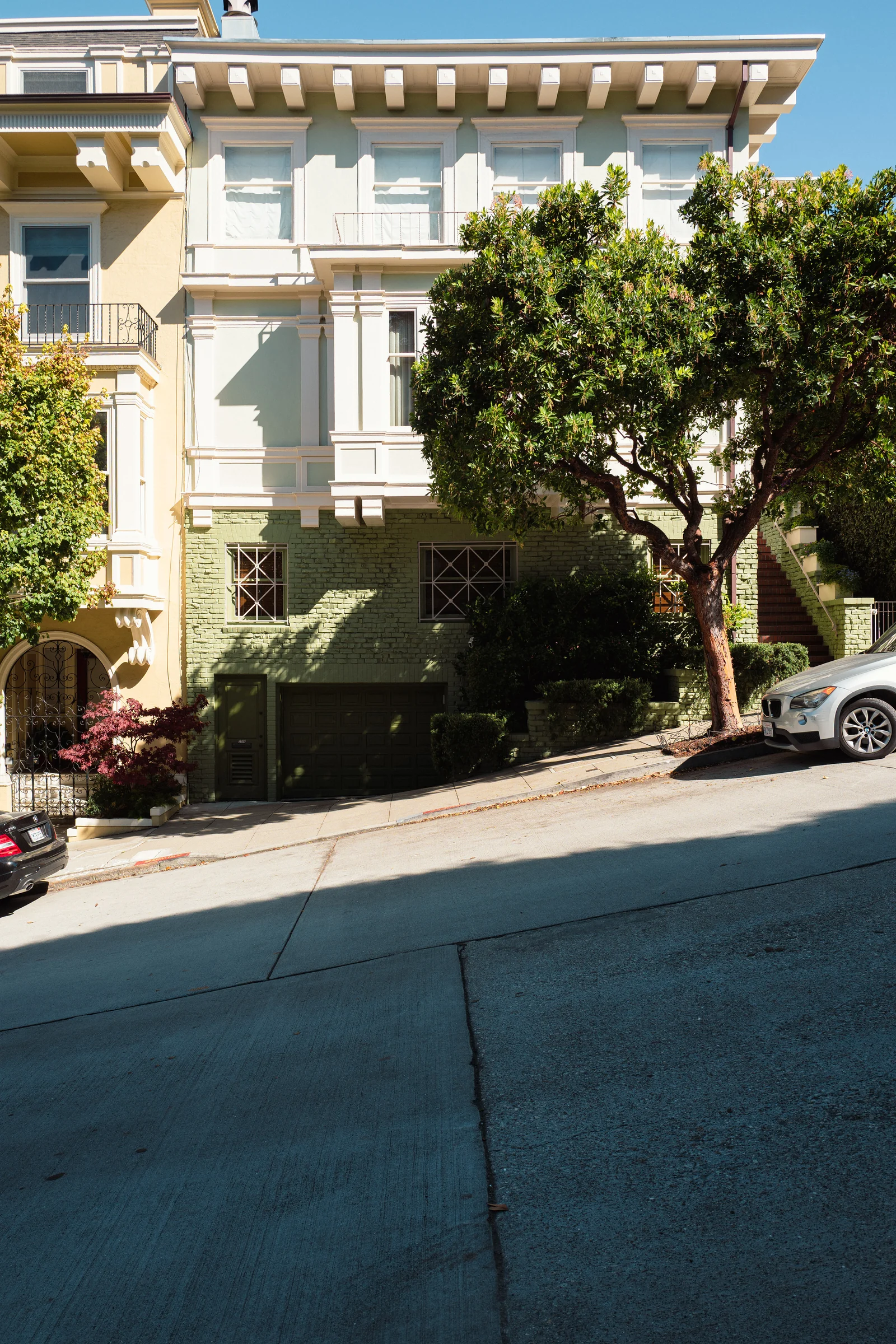
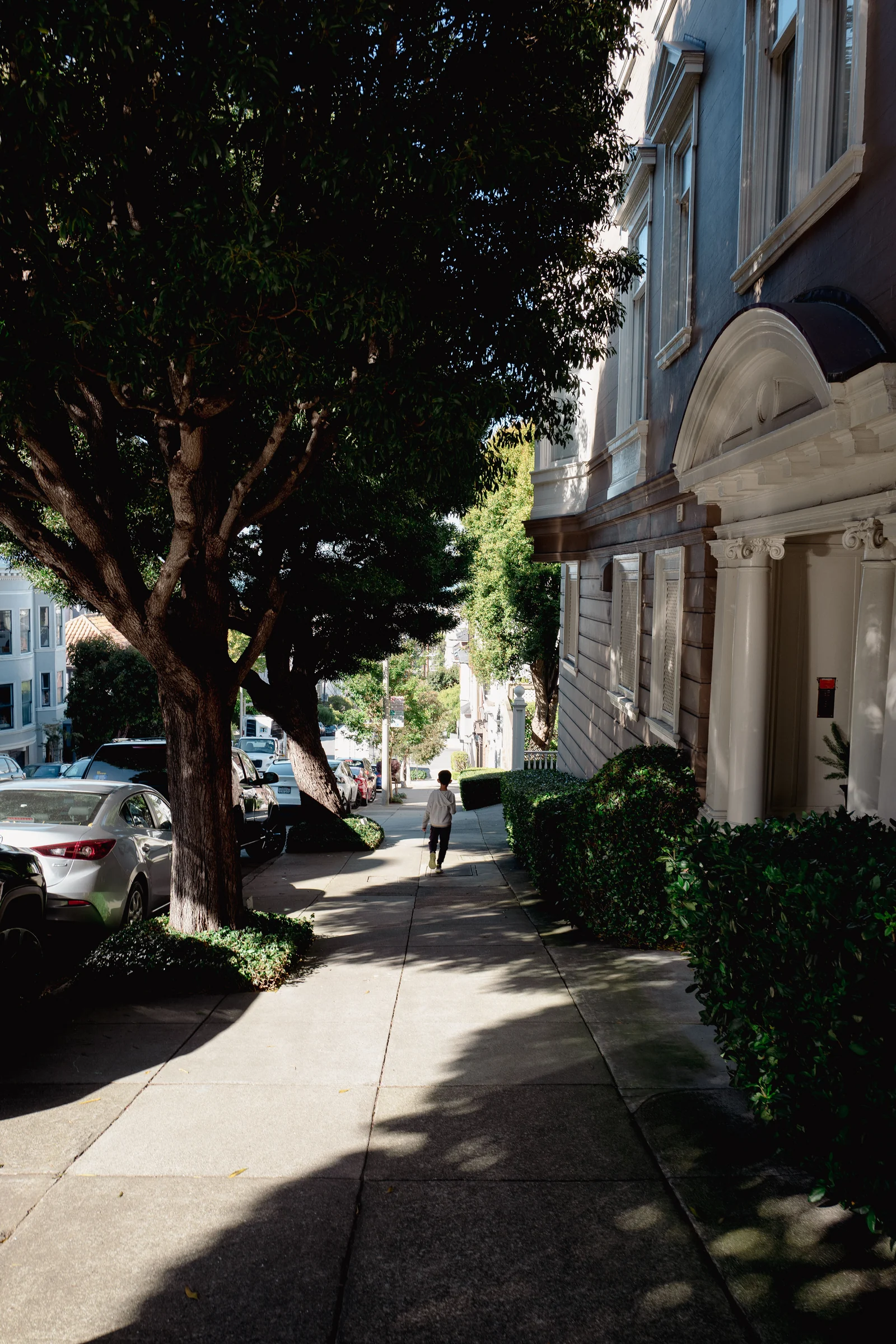
San Francisco's houses each have a temperament of their own. Pale timber, bay windows and narrow porches follow one another along the hills; some facades are painted in bright colours, others keep to quiet greys, whites and wood tones. After the Gold Rush, the city grew quickly. Victorian homes left intricate ornament and an intimate scale; later, Edwardian buildings and the clean lines of modernism joined the streetscape. The result is not a single standard, but a neighbourhood where each street seems to speak in its own accent.
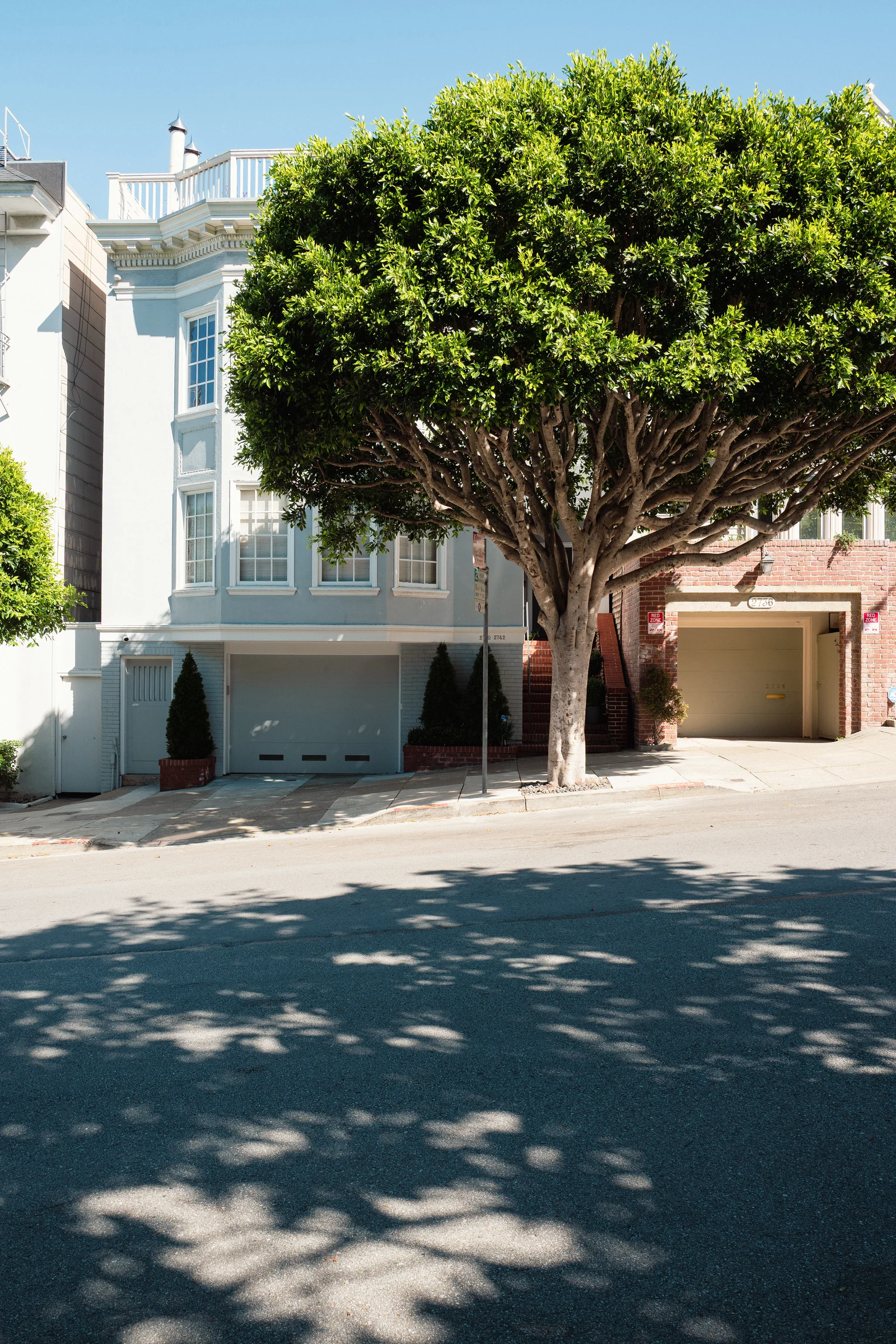
The hills strengthen the architecture. The same row of houses changes height with the terrain; bay windows take in the street, steps connect a front door to the sidewalk, and a turn may reveal an unexpected glimpse of the water. I notice how these homes meet sun, wind and neighbour alike. Their differences form a city that is still recognisable. To me, its beauty lies less in any one building than in the friendly order between them: streets remain coherent without making life uniform, and buildings keep their age and character while leaving room for trees, pedestrians and neighbours.
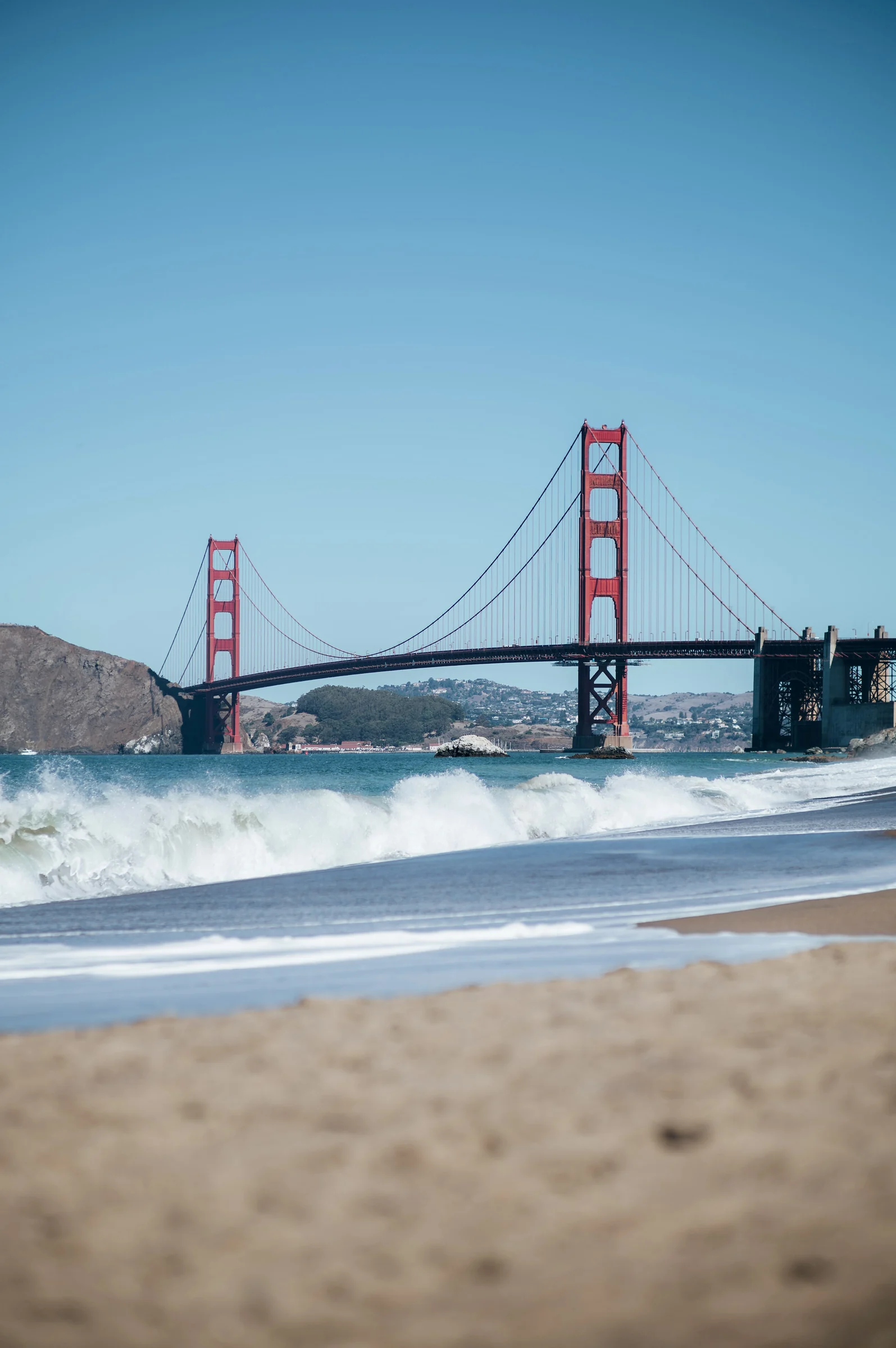
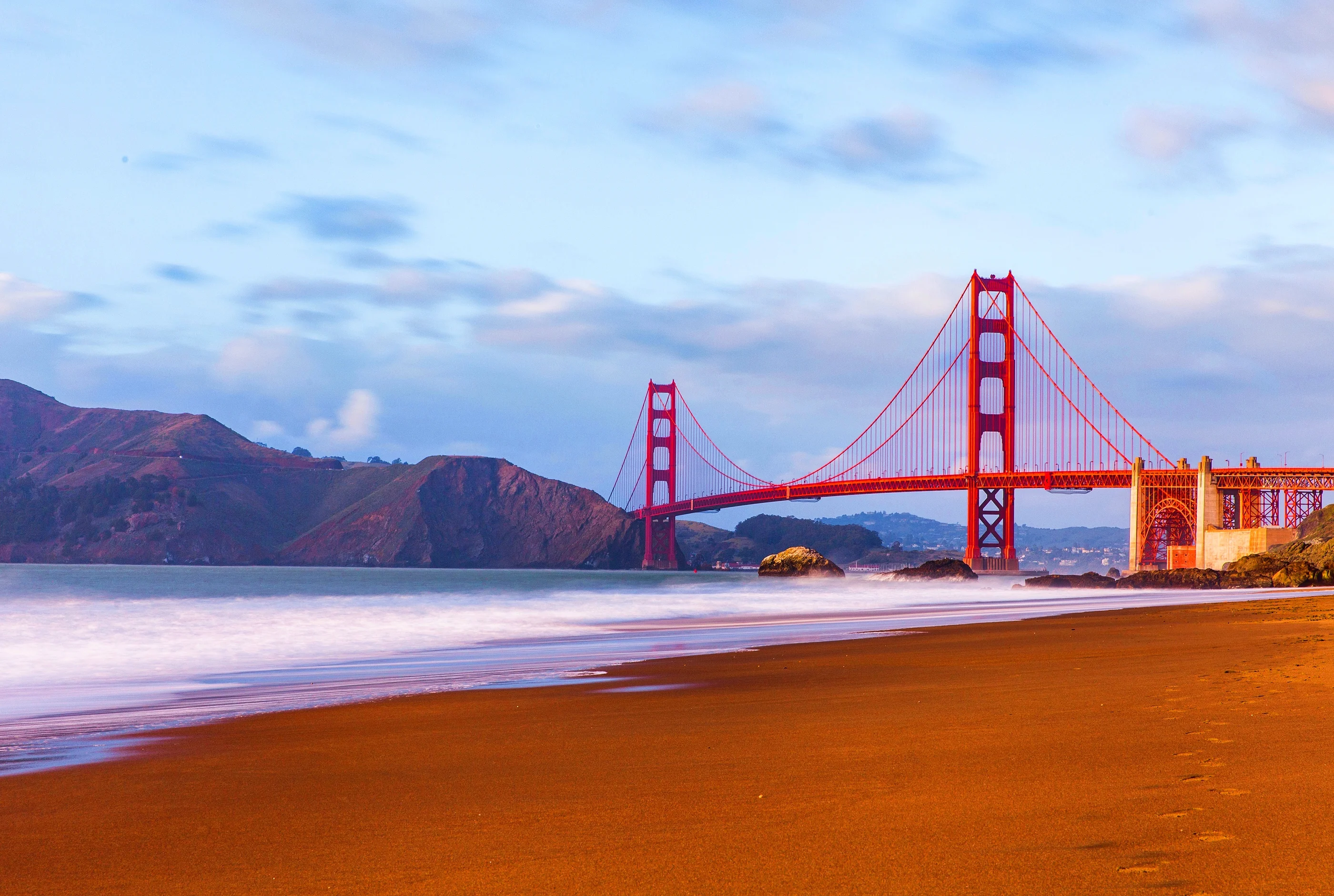 The Golden Gate Bridge settles into the evening light.
 The Pacific opens beyond the Bay Area shoreline.
The light here has a kindness that stays with me. On a clear day it rises from the water and settles on window frames, the turns of a hill and the edges of leaves. It need not be dramatic to make an ordinary day feel luminous. Fog and wind can alter the scene in an instant; perhaps that is why every clearing feels especially precious. In the Bay Area, sometimes all it takes is stepping outside to meet the softest side of the light.
In San Francisco, sea air, hills, wetlands and streets sit close together, and life reaches beyond work. Some people pause by the water, some watch birds, and others simply take the shaded way home. Nature is not arranged as a backdrop; it keeps its own scale and rhythm. To come closer is to learn to slow down. This kind of nearness asks for no ownership, only a path, a stretch of shoreline and quiet time to look.
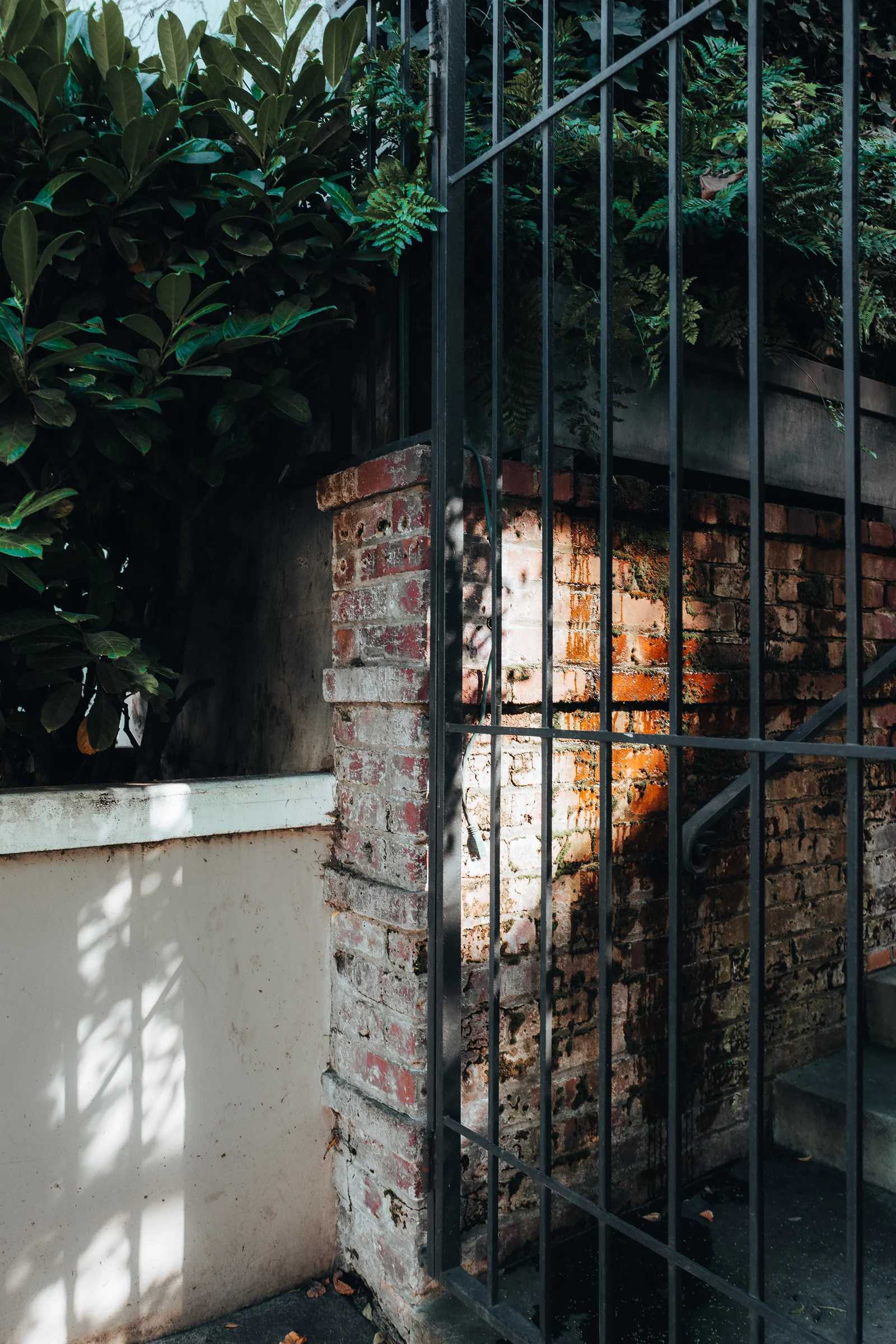
I love San Francisco, ultimately, because it holds many differences at a human distance: art and everyday life, bustle and quiet, neighbourhoods and the Bay, work and the outdoors. Houses carry their own colours; streets rise and fall; sunlight gathers them into one scene. A city need not be uniform to have a clear, gentle character.
Here I have learned a patience with life: understand nature, culture and the condition of people first, then let design find its measure; make the whole recognisable while allowing every detail to retain its source. Many of RDA's clients are in this city, a connection that keeps me observing local life and culture and carrying that understanding into our work. If the city has taught me anything, it is to notice quiet beauties: the morning wind above the cliffs, the slow tide by the wetlands, a patch of sunlight at a coloured window. They never try to hold anyone, yet make me want to return. San Francisco is more than an address; it is a way to settle into life and continue discovering it.
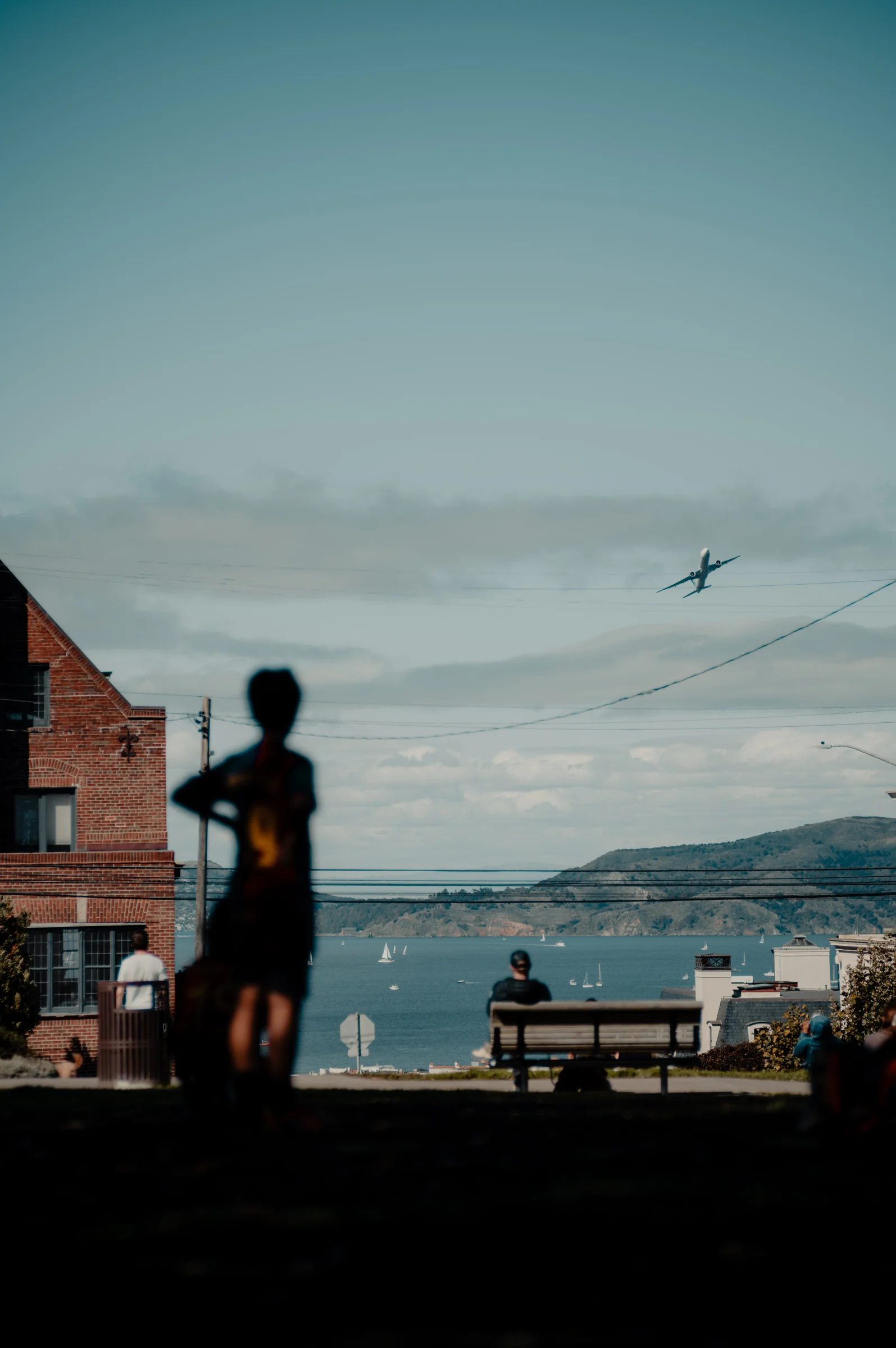
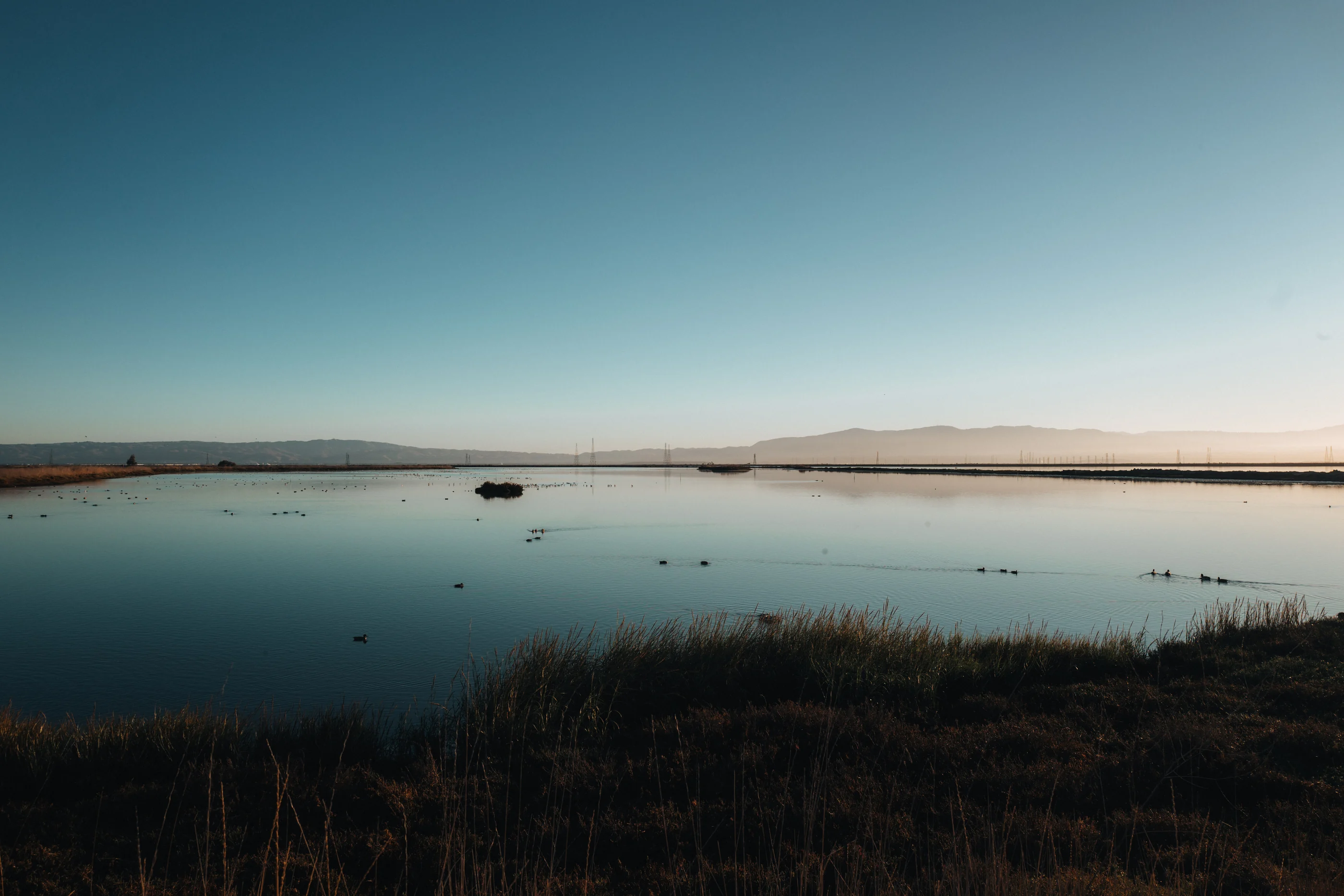 The Bay horizon leaves room for the city to breathe.