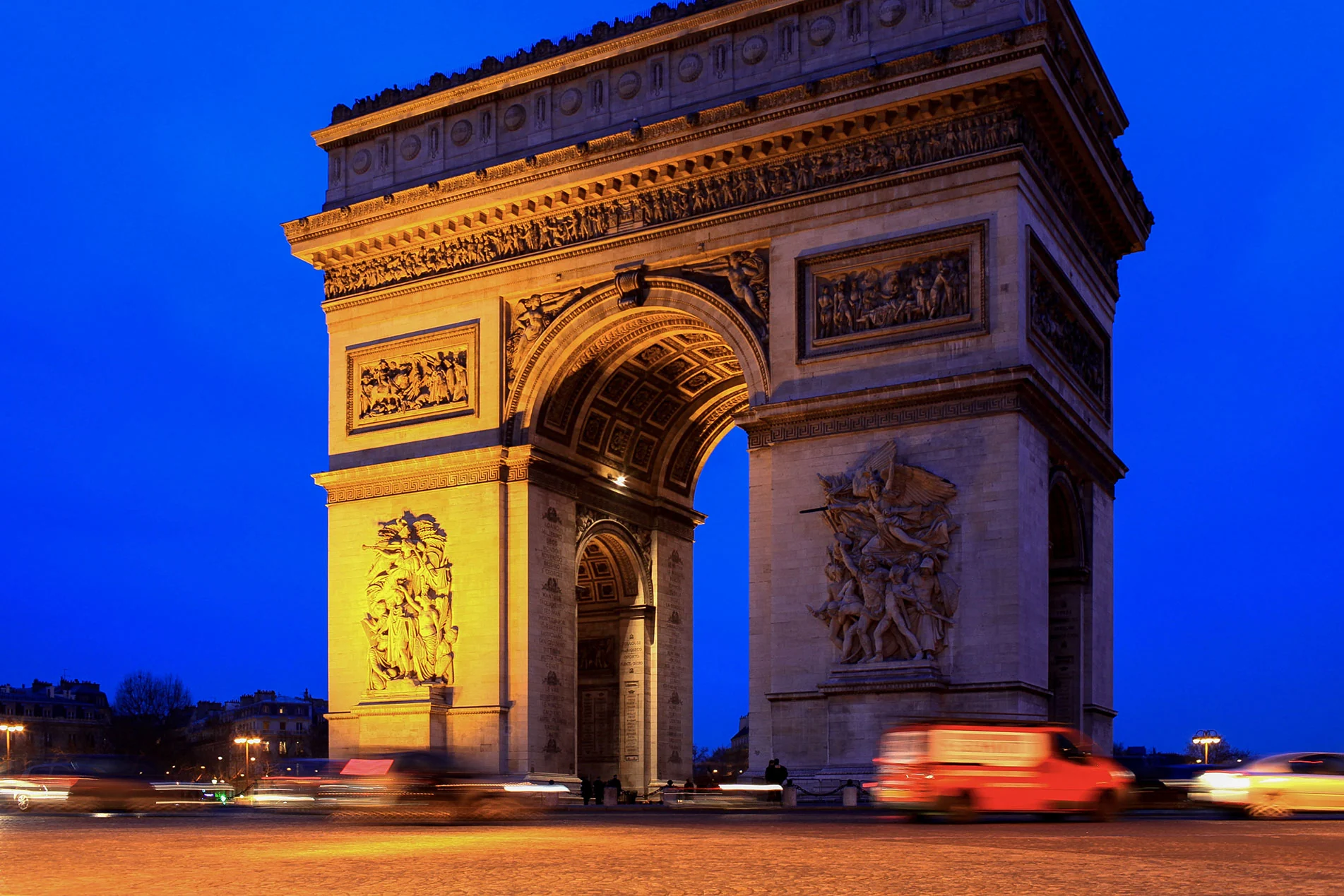
 The Arc de Triomphe anchors movement, memory and the city’s grand axis.
The historic centre of Paris reads like a book opened many times. Its edges are worn, but the text has become clearer. Along the Seine, medieval streets, royal buildings and churches remain visible; the large nineteenth-century transformations introduced straighter boulevards, continuous façades and a more legible public order. Time does not move here in a single line. Different periods overlap along the same walk, showing how the city has rewritten itself again and again.
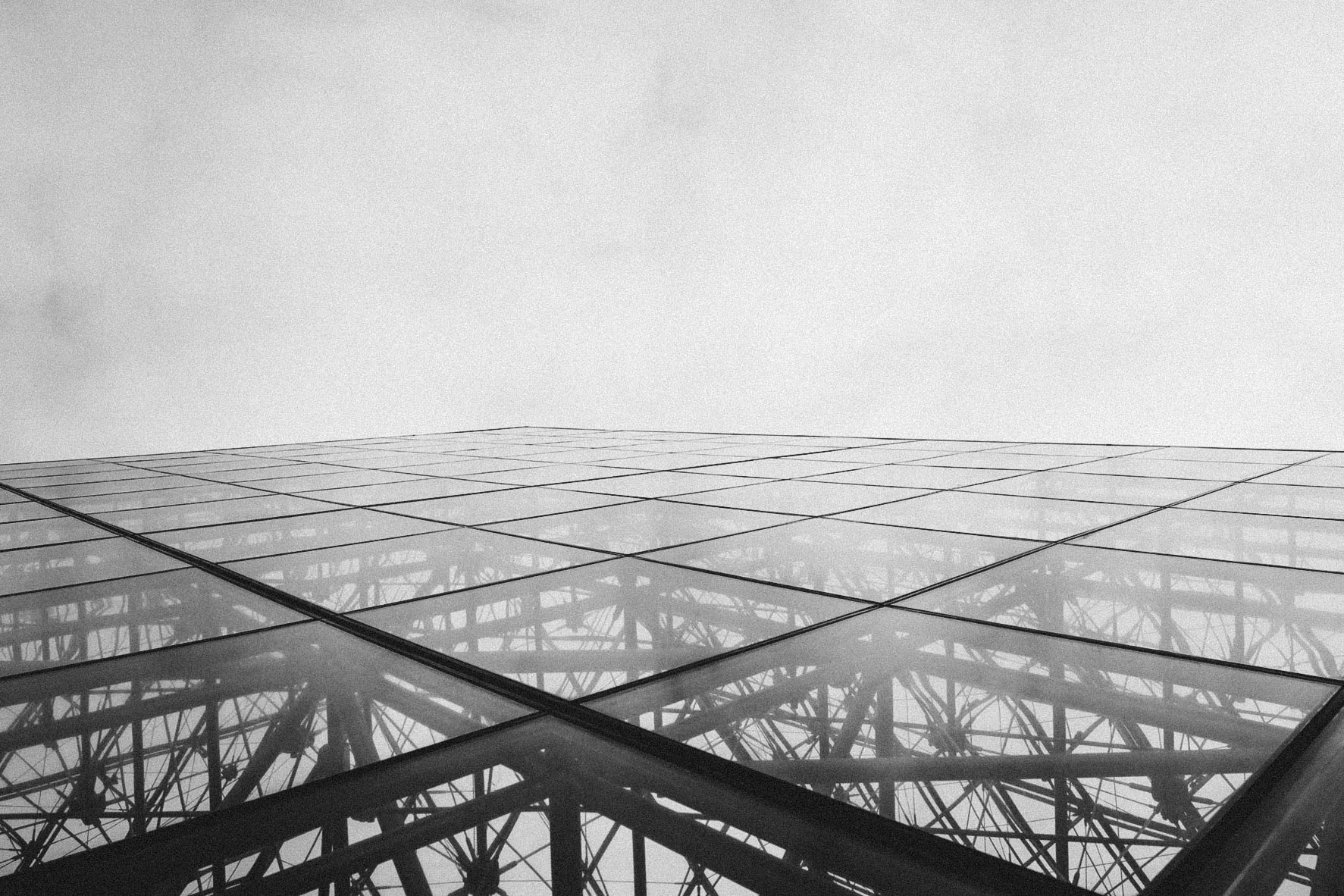
The Louvre is a concentrated example of this layering. Heavy stone walls speak of power and collection, while glass and metal form a new entrance through the old courtyard. The transparent skin does not imitate history. It steps back, allowing sky, existing buildings and moving people to occupy one structure. When mist settles, the grid seems to hover; rational geometry is softened by weather, and contemporary design avoids becoming abrupt.
This suggests that a measured form of renewal is not about dressing the old in a new costume. It is about establishing a clear relationship between two kinds of time. Paris derives its identity from keeping the common tone of stone, scale and axis while allowing new architectural languages to mark their own period. It does not demand that every place look alike, but asks every change to understand what it stands beside.
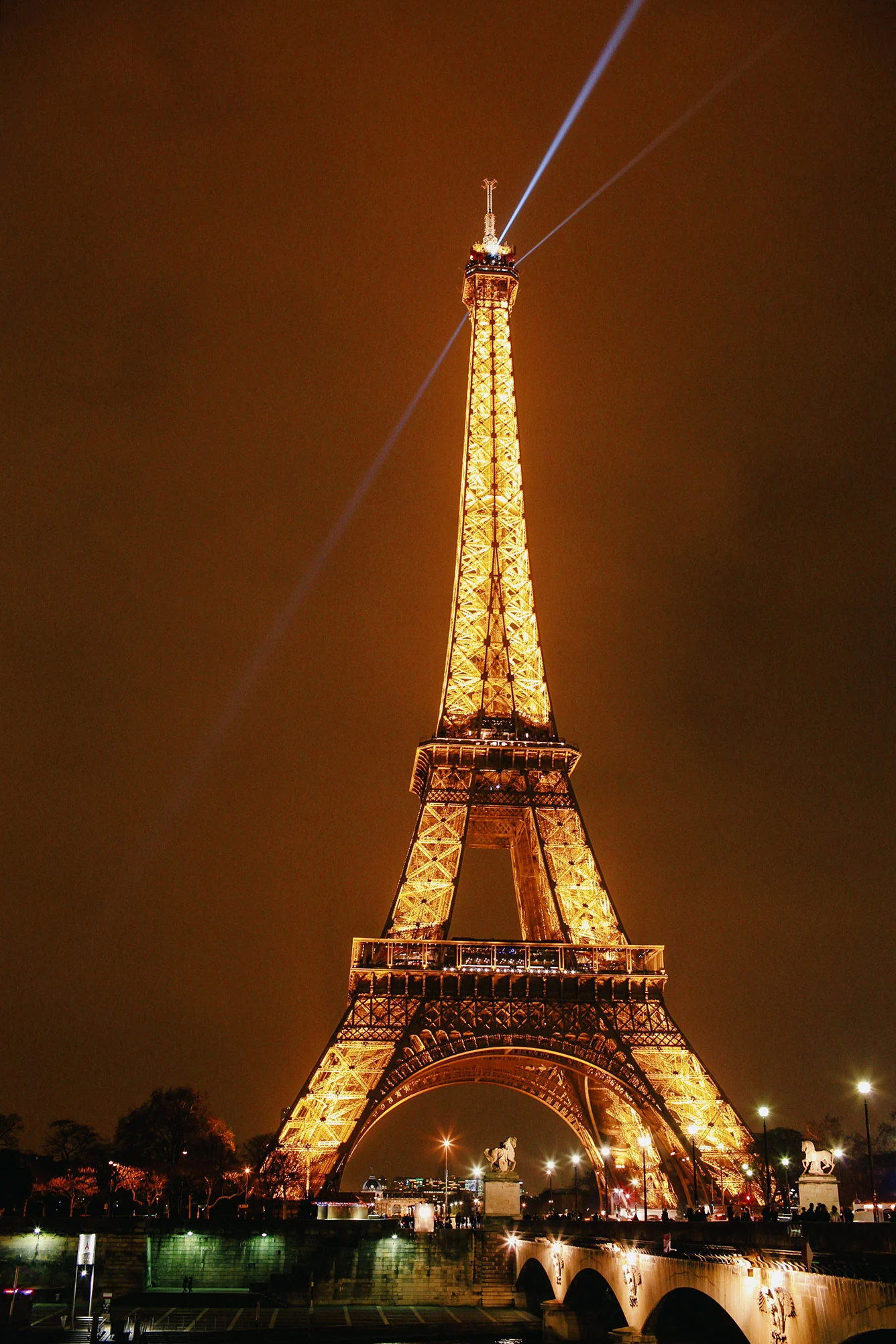
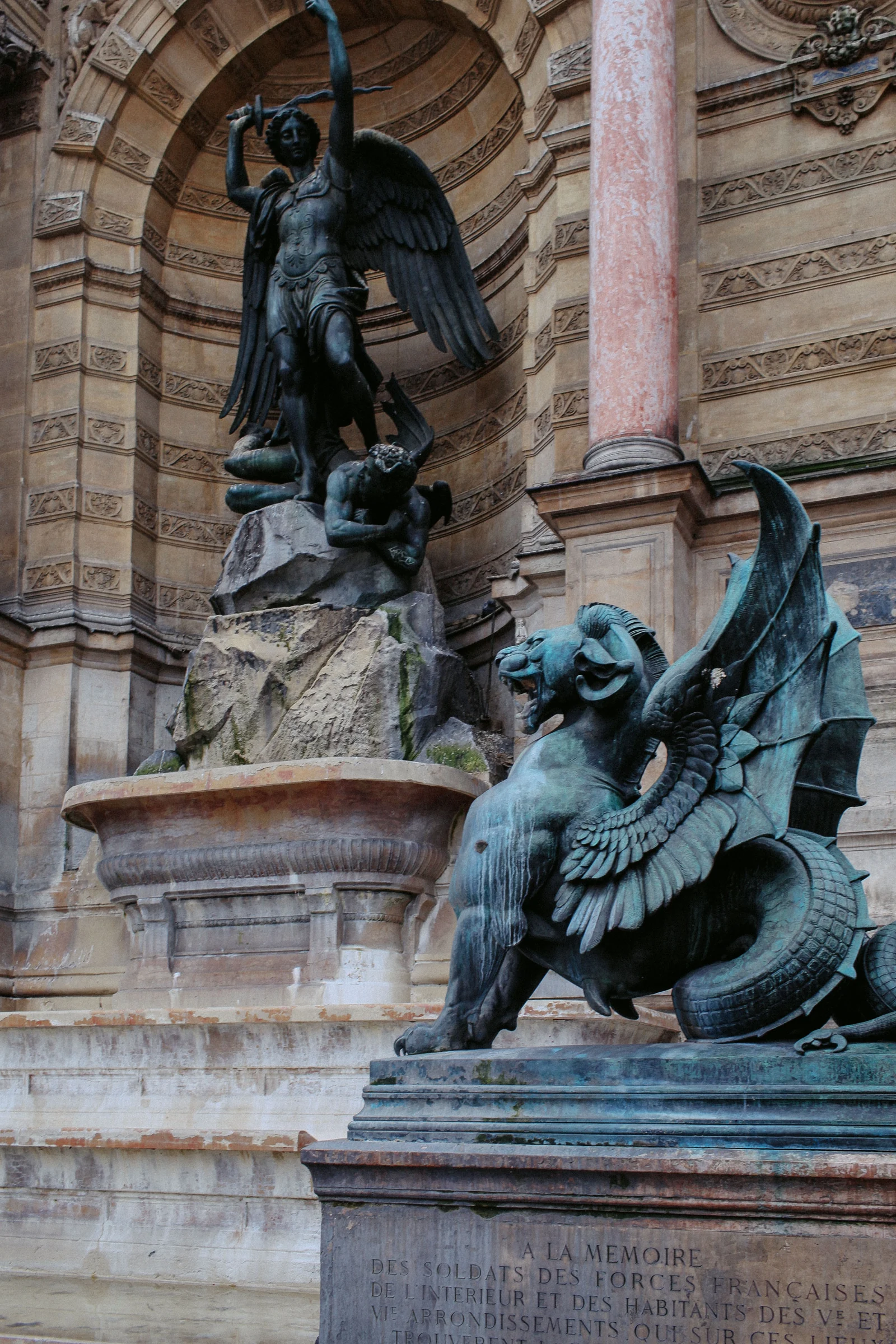
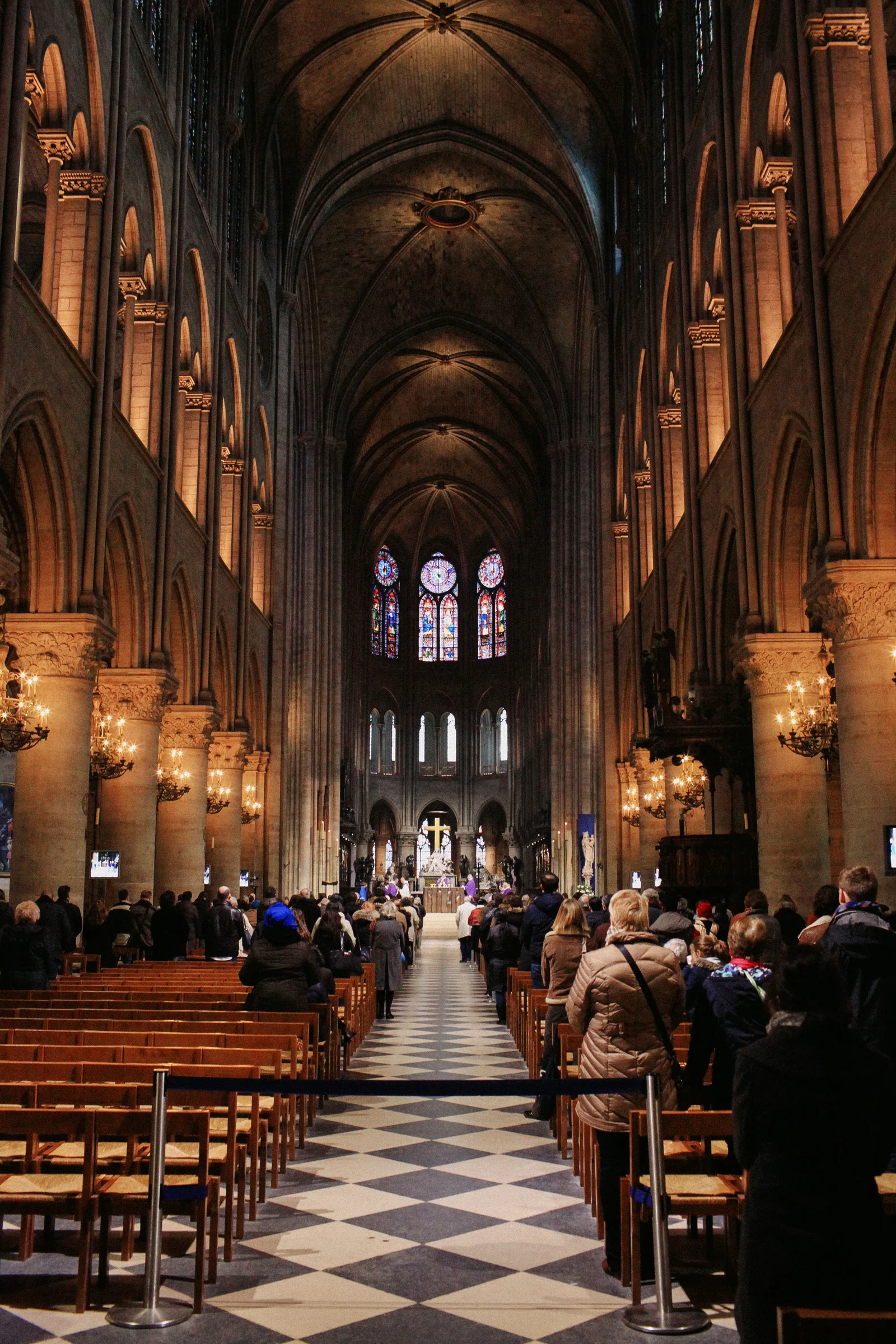
Parisian landmarks often have two faces. From a distance they are civic emblems; up close they remain places to cross, pause and live. The Eiffel Tower once challenged ideas of beauty through the metal structure of the industrial age, and its outline is now one of Paris's most direct symbols. The Saint-Michel fountain, church domes and street sculptures place myth, religion and history inside ordinary routes. Monumental forms are not kept at a distance; they live among Metro exits, café chairs and turning bodies.
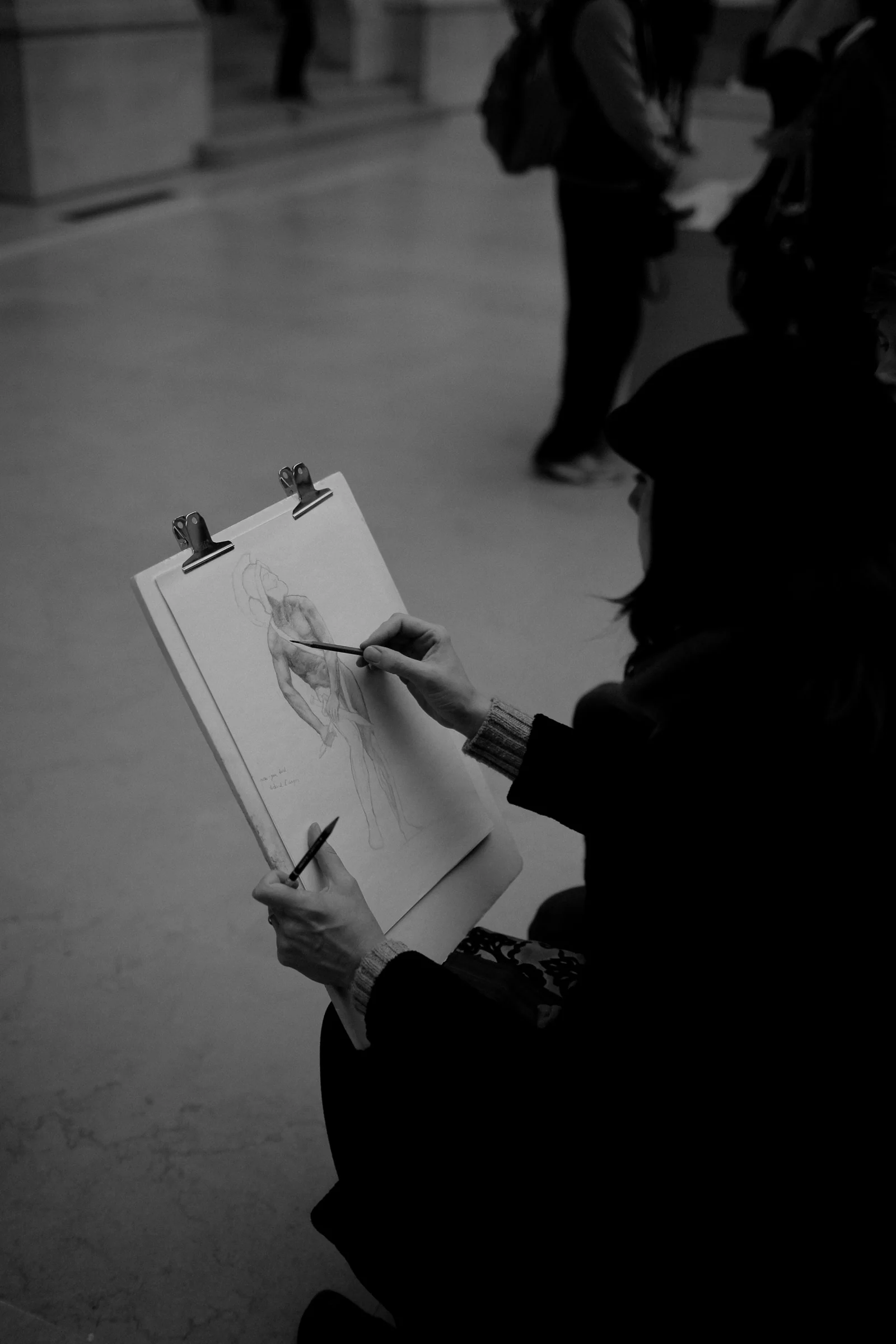
A lighter layer of culture is scattered across the surface of the city. Street artists bend over paper, booksellers unfold along the river, while shop windows, posters and handwritten signs add temporary footnotes. They may not last, but they give the formal order of the architecture room to breathe. Parisian culture is therefore not a preserved collection of heritage. It is a public expression that keeps happening, allowing art to enter the street and the present to reinterpret history.
From a design perspective, a landmark's power is not only its form, but its ability to become a coordinate in shared memory. Towers, fountains, churches and squares differ from one another, yet materials, spatial sequences and public use create a legible urban language. Paris lets visual identity exceed a graphic or a name. It places recognition in the act of walking, waiting and meeting, so the city's character is experienced rather than announced.
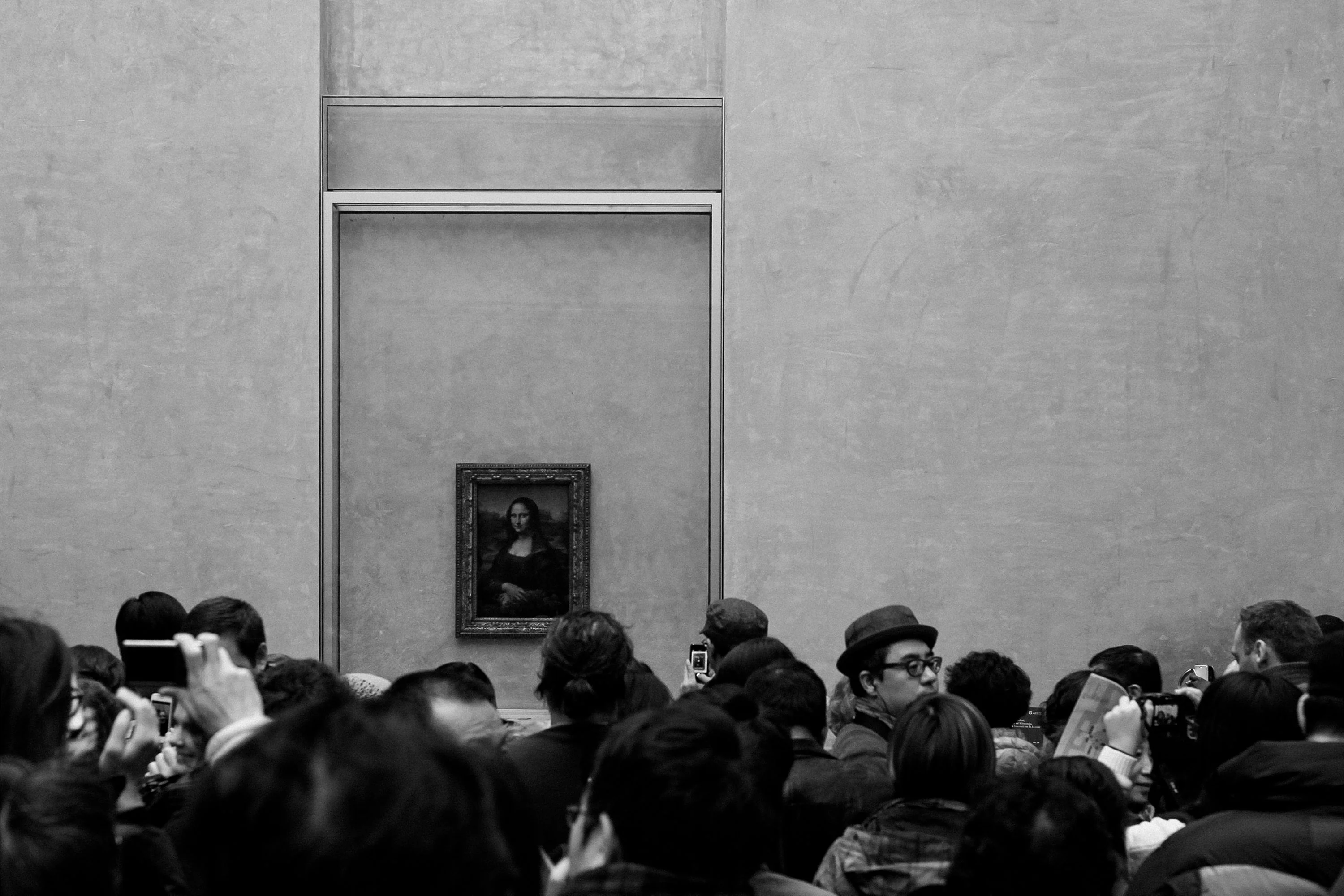 A small painting gathers a vast public ritual at the Louvre.
Inside the Louvre, space suddenly changes speed. Long galleries push the eye into perspective, while walls, doorways and ceilings establish a ceremonial order. Around a small painting, the crowd becomes dense; everyone wants to move closer, then railings, circulation and other bodies arrange a new position. The quiet of art and the noise of looking coexist, much like Paris itself: it preserves history while carrying the weight of history as a global public symbol.
A museum is not only a container for objects. It is also a complex design of entering, recognising, pausing and leaving. Wayfinding must guide people with different languages; scale must hold ceremony and enormous visitor flows; light, material and safety boundaries maintain attention without making a spectacle of themselves. The more famous the institution, the more clearly design appears as the thing that keeps order effective under pressure.
The moment a painting is surrounded by hundreds of screens also shows how urban culture has entered a new cycle of circulation. Original work, architecture, visitors and digital images overlap. The classic is repeatedly copied, yet people still travel to the place itself. Paris continues to influence culture because it has a strong historical centre while allowing new media to approach it. For a brand, that is more durable than novelty alone: recognition needs a stable core and the possibility of being read again by different generations.
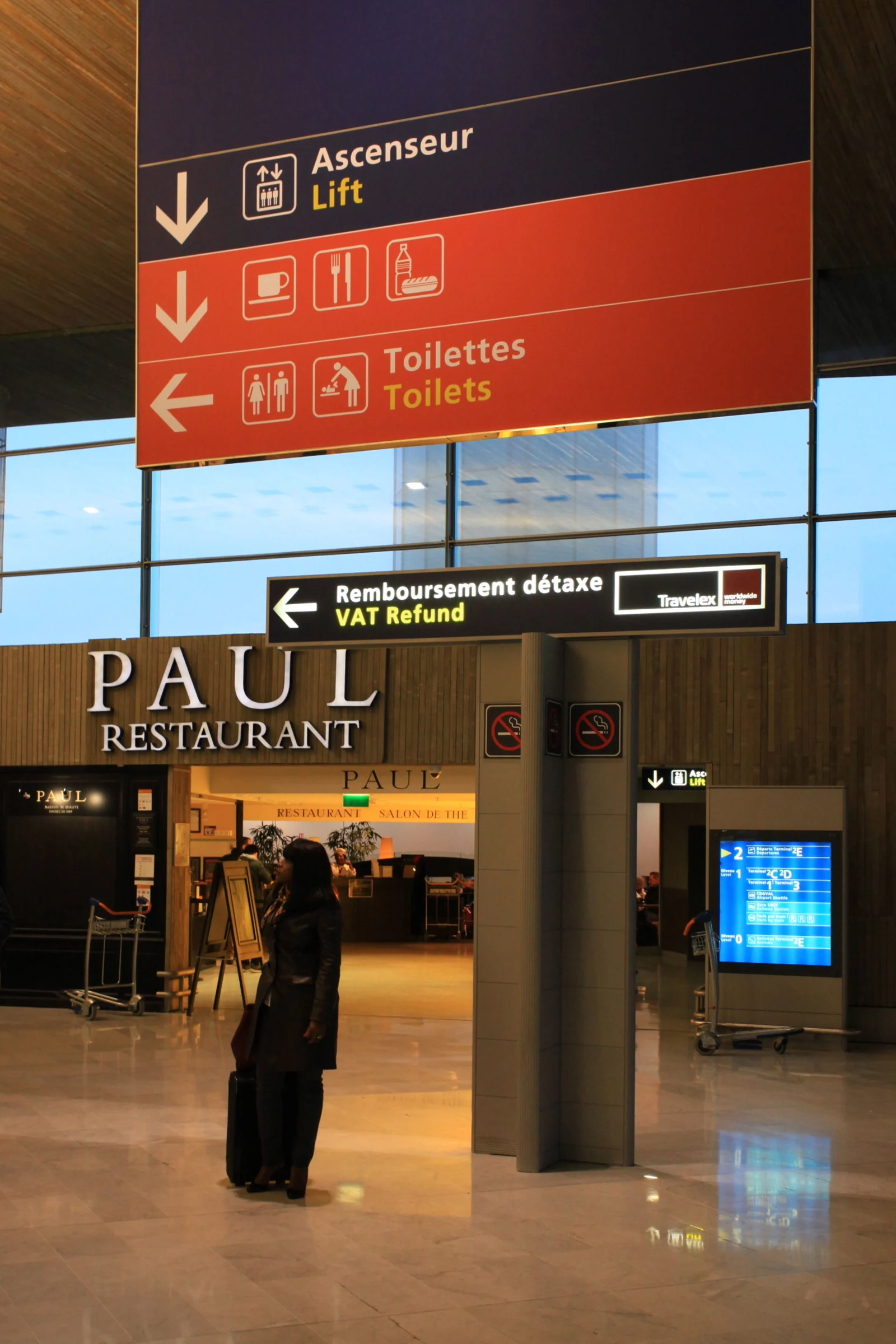
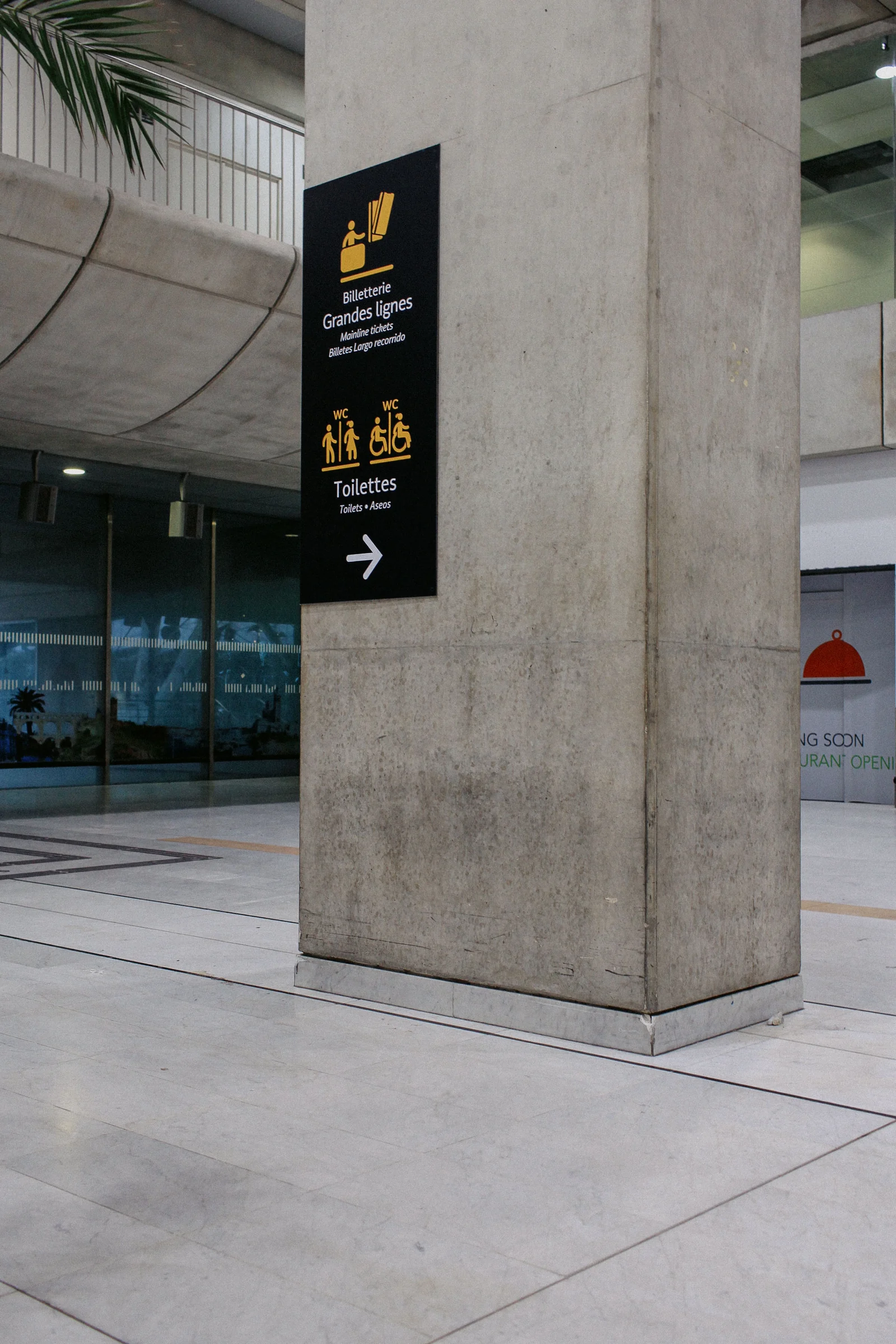
A city's character is also written in systems that are easy to overlook. The first Parisian experience may begin at an airport or transport interchange, where colour, arrows, type hierarchy and repeated signs guide a stranger through complexity. In the city, street signs, Metro lettering, public equipment and numbering continue the work. They do not become monuments like the Arc de Triomphe, but they answer practical questions every day and form another, quieter face of Paris.
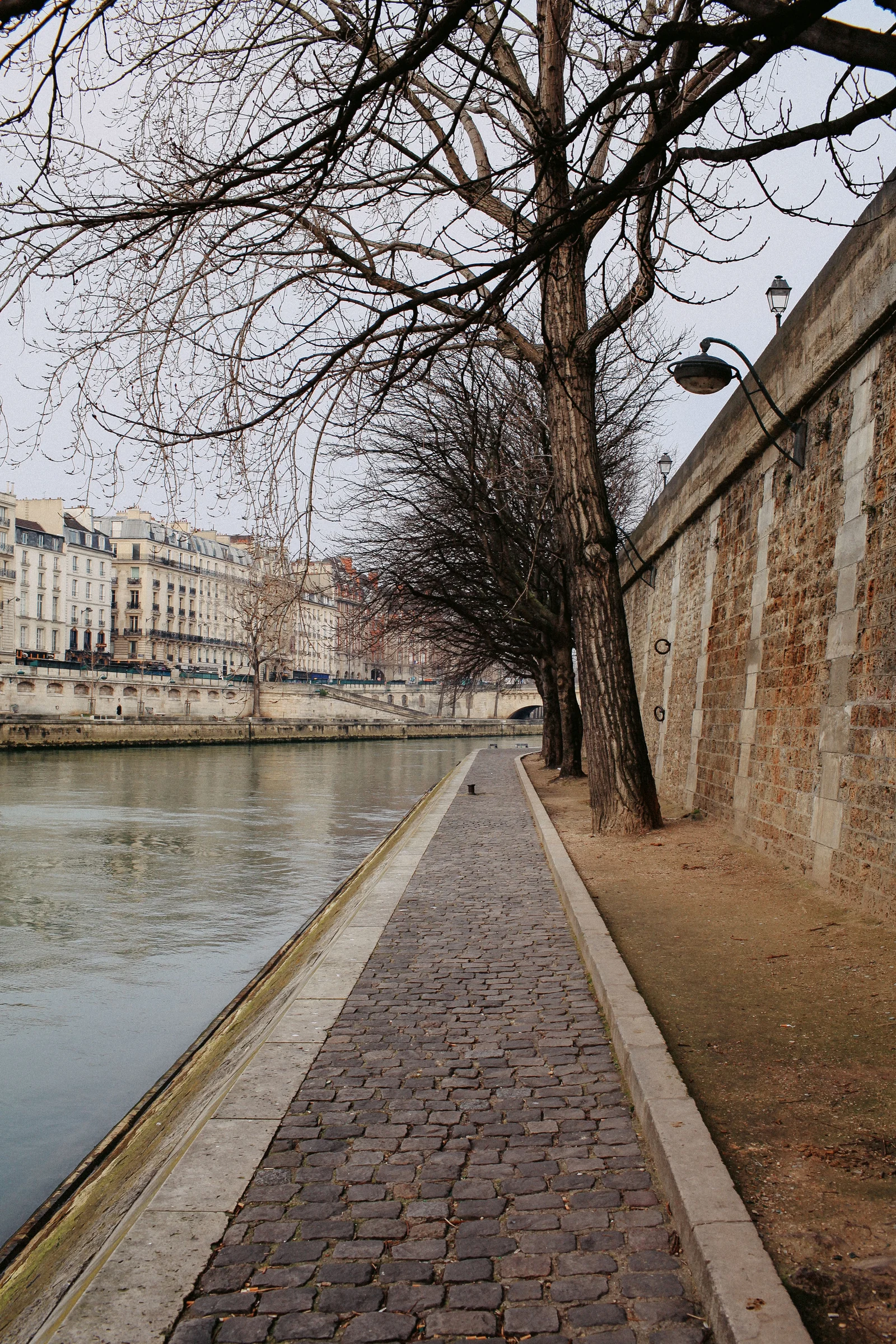
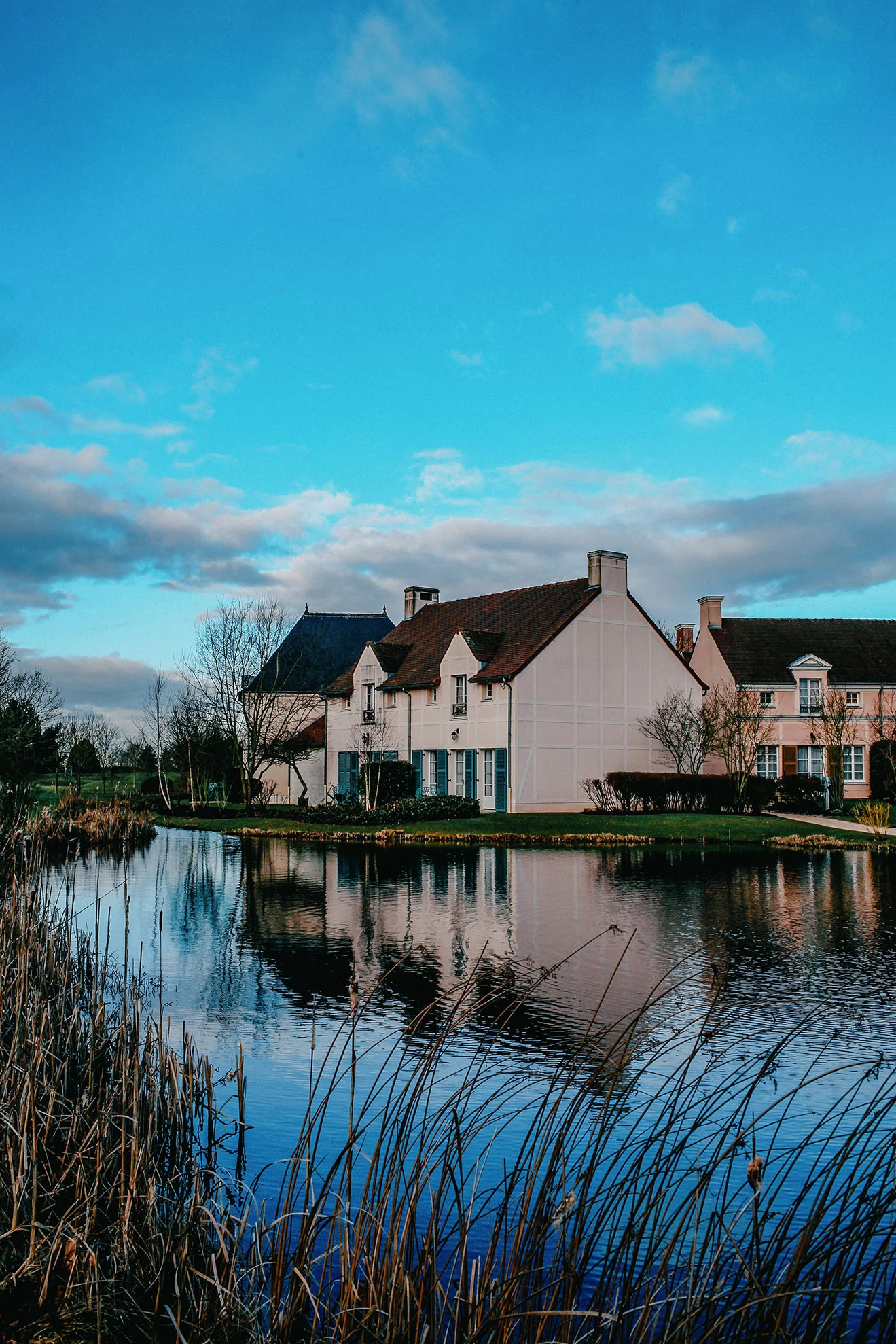
The Seine slows that rational order down. Stone walls stretch beside the water, trees hold their clear winter branches, and paths give pedestrians a small retreat from traffic. Further out, homes, water and planned green spaces loosen the density of the metropolis. Paris is not only the glamour of its historic centre; it depends on the river, open space, neighbourhoods and transport networks to support a wider life. Nature is not the opposite of the city, but a line that adjusts its scale and mood.
Paris has crowding, distance and the fatigue of over-tourism, yet it still shows how urban identity can be built little by little over a long time. Stone façades set the tone, public spaces hold daily life, cultural institutions preserve memory, wayfinding looks after strangers, and new design finds a place within old order. When evening turns the outer city into a silhouette, Paris offers no final answer. It simply reminds us that moving design forward does not require erasing the paths that came before.
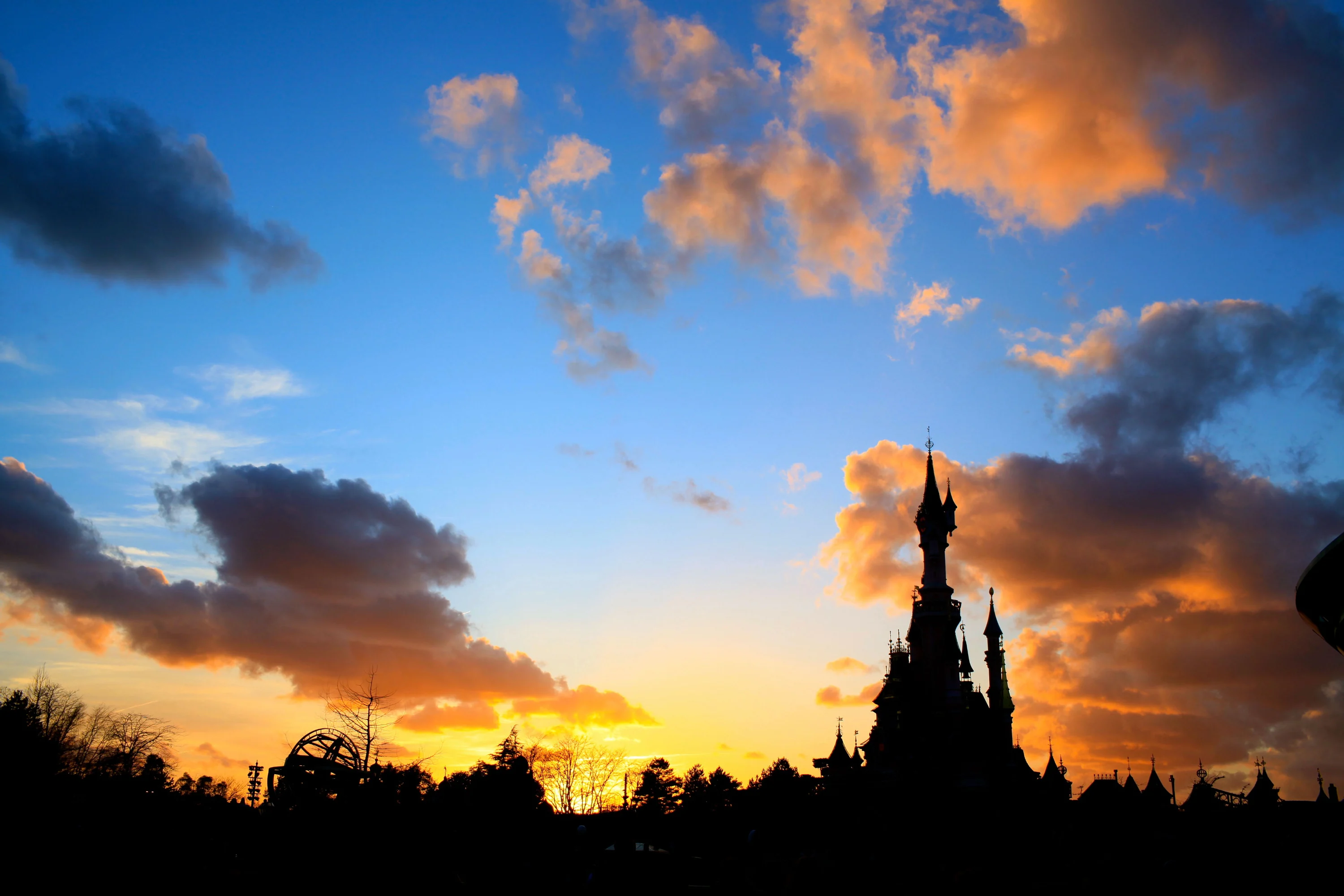 At the city’s edge, spectacle becomes a carefully composed landscape.